
The first real decision of a remodel isn’t the tile or the cabinet finish. It’s who holds the project together. Before you approve a single drawing, you’re quietly choosing a command structure: who orders materials, who schedules the plumber against the electrician, who eats the cost when a wall opens up and reveals something no one planned for. Get that structure wrong and even a well-designed kitchen becomes a source of stress. Homeowners in Lake Oswego tend to skip straight to design because it’s the fun part, but the delivery method you pick shapes the budget, the timeline, and how many phone calls land on your plate.
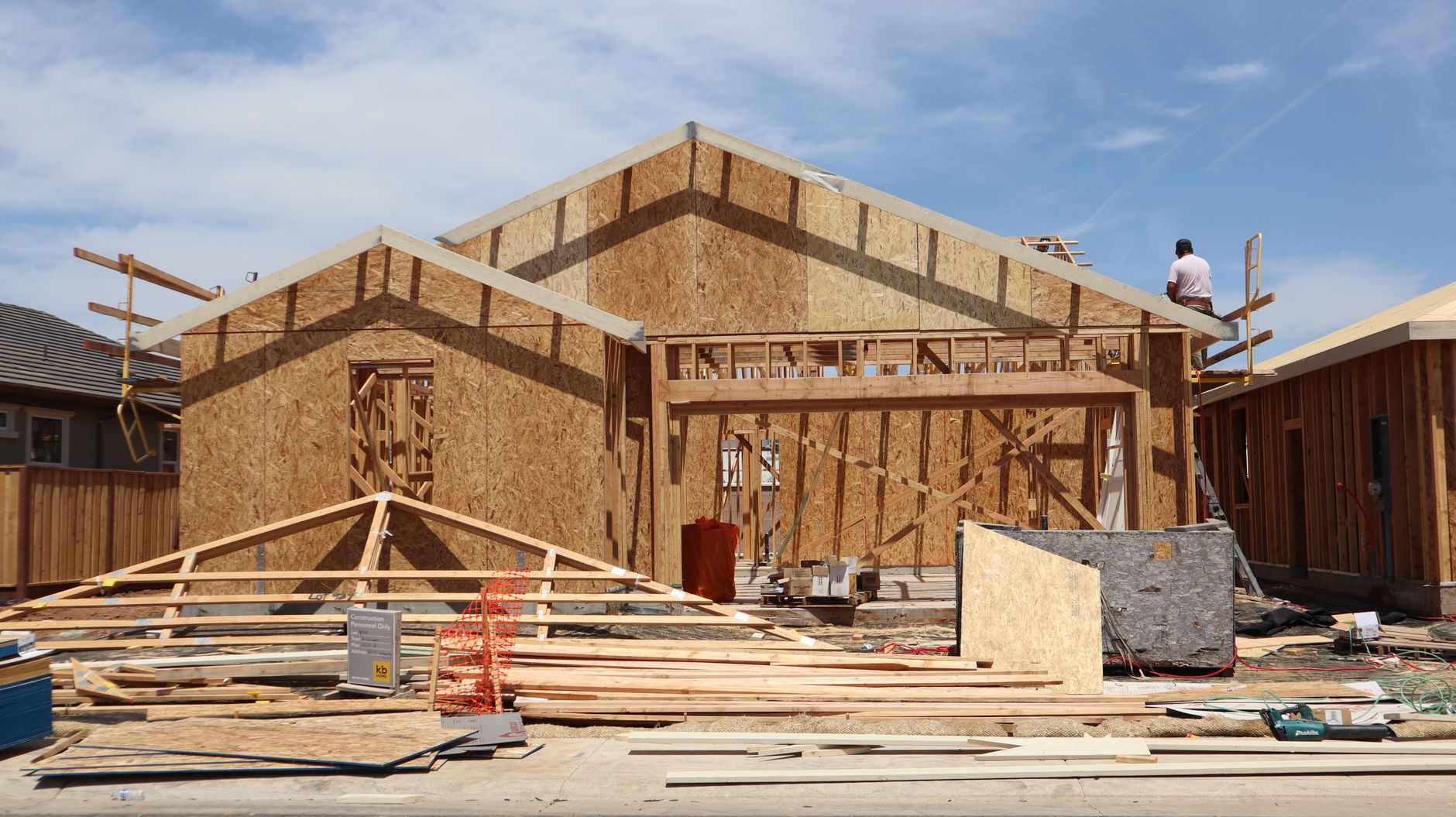
General Contractor vs. Owner-Managed Project
The core trade-off is control versus load. When you act as your own general contractor, you hire and coordinate each trade directly. You can save the general contractor’s markup, and you get a granular view of where every dollar goes. But you also inherit the scheduling headaches, the permit follow-ups, and the liability when a subcontractor no-shows on framing day.
Hiring a general contractor flips that. You trade some margin for a single point of accountability. One person sequences the work, absorbs the small daily crises, and answers for the outcome. For anyone with a full-time job or an unfamiliarity with local permitting, that buffer is worth real money. Owner-managing rewards people who have time, some construction fluency, and a tolerance for being on the phone during work hours. If your project involves structural changes, multiple trades, or an aggressive timeline, the coordination burden usually outweighs the savings.
Design-Build Firm vs. Separate Architect and Builder
Once you’ve decided someone other than you should run the job, the next fork is whether design and construction live under one roof. In the traditional path, you hire an architect or designer first, finalize plans, then take those plans out to bid with builders. This gives the design real independence and lets you shop the construction price competitively. The downside shows up when the drawings hit reality and the builder says a detail costs three times what you expected, and now you’re mediating between two firms who each blame the other.
A design-build firm keeps both functions in one contract, so the people drawing the plans already know what the crew can build for the money. That tends to reduce mid-project surprises and finger-pointing, and it’s often faster because design and pricing happen in the same conversation. Many established firms, including a Home Renovation Contractor Lake Oswego homeowners bring in for full remodels, work this way precisely to close the gap between what’s drawn and what’s buildable. The trade-off is less arm’s-length checking on price, so you’ll want to trust the firm or bring your own review to the numbers.
Full Remodel vs. Phased Room-by-Room Work
Scope timing is its own decision, separate from who runs the job. Doing everything at once means one mobilization, one permit cycle, and a crew that isn’t repeatedly tearing back into finished areas. It’s usually cheaper per square foot and shorter overall, but it demands the full budget up front and often means living elsewhere for weeks. Phasing the work room by room spreads the cost across months or years and lets you stay put, which suits families who can’t vacate a house near the lake for an extended stretch. The catch is repeated setup costs, rising material prices between phases, and the risk that later rooms never quite get done. Match the timing to your cash flow and your patience, not just the sticker price.
Established Home Renovation Contractor Lake Oswego vs. Solo Handyman
For smaller, self-contained tasks, a skilled solo handyman is often the right call and the better value. But as scope grows into permits, structural work, and multiple trades, a one-person operation gets stretched thin, and a delay in their schedule can stall your whole project. An established firm carries insurance, crews, supplier relationships, and the systems to keep several trades moving in sequence. You pay more for that infrastructure; what you’re buying is reliability under complexity.
None of these routes is universally correct. What you’re really deciding is how much of the project you want to carry yourself and how much complexity your remodel actually contains. Be honest about both, and the right delivery method usually names itself before the first crew ever arrives.